
A Homeowner's Guide to Preventing Ice Dams and Winter Roof Damage in Urbana
Winter in Urbana brings a certain kind of beauty—snow-covered trees, crisp air, and cozy evenings. But for homeowners, the shifting Prairie State weather also brings a unique set of challenges for one of the most critical parts of your home: the roof. One of the most common and destructive winter issues we see is the formation of ice dams. These thick ridges of ice along the eaves of your house might look picturesque, but they can signal serious trouble, leading to water leaks, damaged gutters, and costly interior repairs. At Frontline Group LLC, we believe in proactive care to protect your investment. This guide will walk you through what causes ice dams, the damage they can inflict, and most importantly, how you can prevent them from forming in the first place.
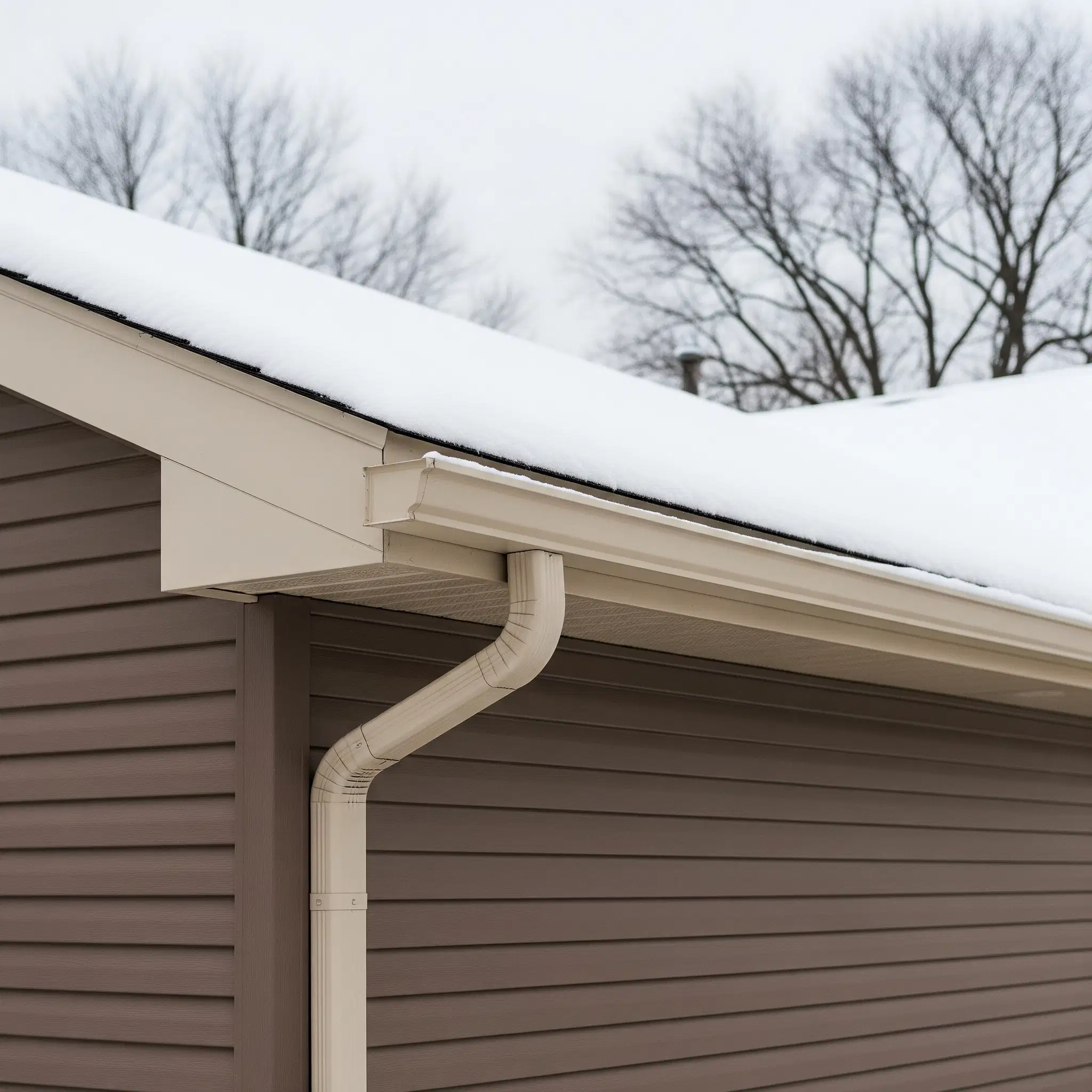
What Causes an Ice Dam?
Understanding how an ice dam forms is the first step toward preventing one. It’s a simple chain reaction caused by uneven temperatures on your roof's surface. Here’s the breakdown:
- Heat Escapes: Warm air from your living space rises and escapes into the attic. If your attic is poorly insulated or ventilated, this heat warms the underside of your roof deck.
- Snow Melts: The snow on the upper, warmer part of your roof melts and flows down toward the eaves.
- Water Refreezes: The eaves and gutters extend beyond the heated walls of your house, so they remain below freezing. When the meltwater reaches this cold edge, it refreezes, creating a small ridge of ice.
- The Dam Grows: As this cycle continues, the ridge of ice grows larger, forming a dam. Water from newly melted snow gets trapped behind it, creating a pool on your roof.
This trapped water has nowhere to go but up. It can seep underneath your shingles, which are designed to shed water flowing down, not to withstand standing pools of water. Once it's under the shingles, it can refreeze, expand, and create pathways to leak into your attic and home.
The Real Damage: More Than Just an Icicle
The consequences of an ice dam go far beyond a few icicles. Ignoring the problem can lead to significant and expensive issues that compromise your home's structural integrity and your peace of mind. Homeowners often call us after the spring thaw reveals the extent of the damage.
- Water Damage to Interiors: Once water penetrates the roof deck, it can soak attic insulation, ruin drywall on ceilings and walls, and lead to peeling paint.
- Mold and Mildew Growth: Persistent moisture in your attic and wall cavities creates the perfect breeding ground for mold and mildew, which can pose health risks to your family.
- Damaged Gutters and Shingles: The sheer weight of the ice can bend, warp, or even rip gutters right off your home. The freeze-thaw cycle can also lift and crack shingles, shortening your roof's lifespan.
- Compromised Insulation: Wet insulation loses its R-value, becoming ineffective. This not only increases your heating bills but also makes the initial problem of heat loss even worse.
Addressing these issues after the fact is always more complex and costly than preventing them. Quality workmanship and materials are key to a durable roof, and that includes preparing it for harsh Illinois winters.
Proactive Prevention: Your Best Defense Against Winter Damage
Fortunately, you can take several steps to stop ice dams before they ever start. The goal is to keep your entire roof the same cold temperature as the eaves. Here are the most effective strategies:
1. Prioritize Attic Insulation and Ventilation: This is the most critical long-term solution. A well-insulated attic floor prevents warm air from reaching the roof deck. Paired with proper ventilation (like soffit and ridge vents), it allows cold air to circulate under the roof, keeping it consistently cold and preventing snow from melting in the first place.
2. Keep Your Gutters Clean: Clogged gutters are a primary contributor to ice dams. If leaves and debris are blocking the path for water to drain, it will freeze solid much faster. A thorough cleaning in the late fall is essential. If your gutters are old or constantly causing problems, it might be time to consider a new gutter installation to ensure proper drainage.
3. Use a Roof Rake (With Caution): For heavy snowfalls, a long-handled roof rake can be used to carefully remove the first 3-4 feet of snow from your eaves. This removes the source material for meltwater. Important: Use a rake with small rollers or bumpers to avoid damaging your shingles. Never pull ice off, only fresh snow.
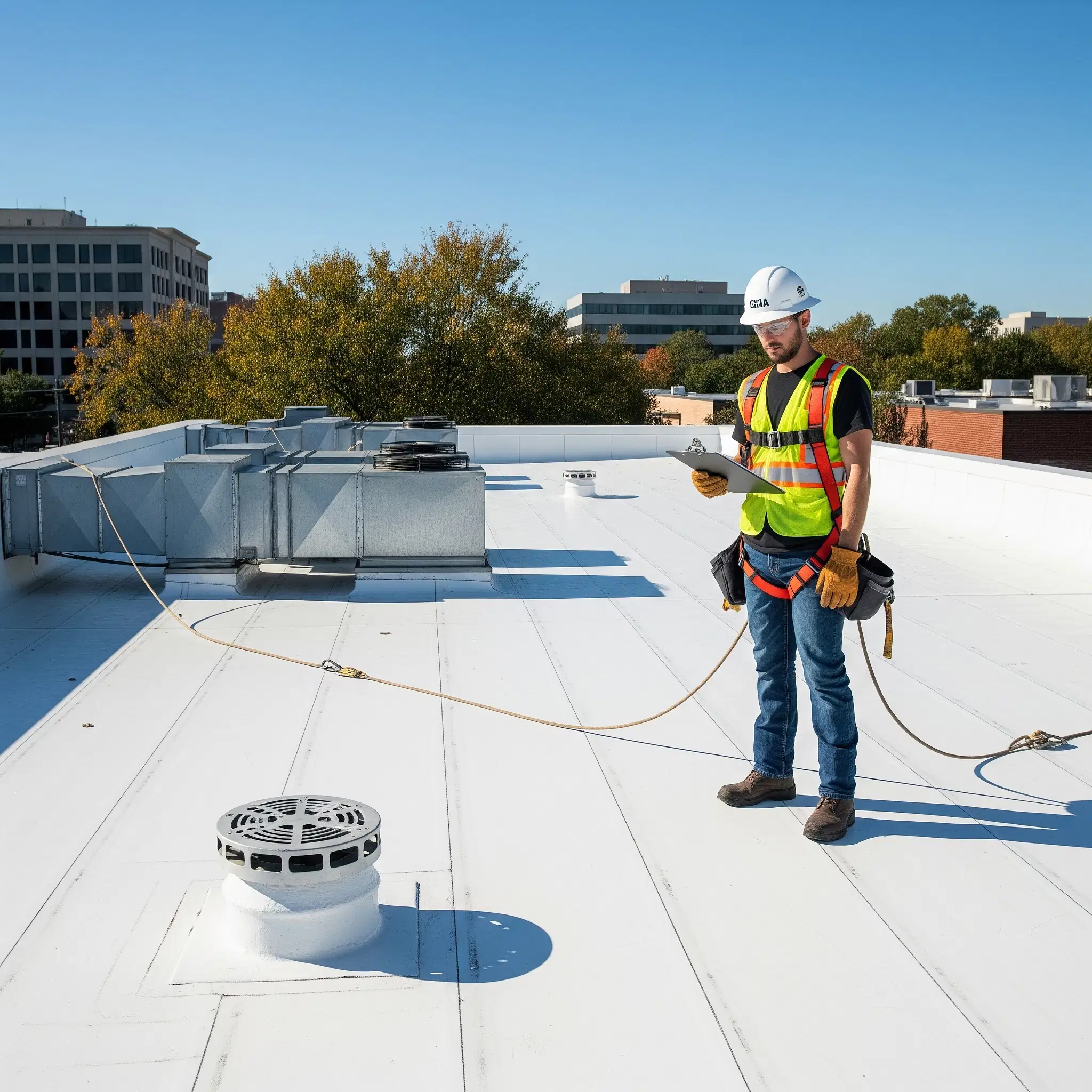
4. Schedule a Professional Inspection: The best way to understand your roof's vulnerabilities is with a professional assessment. Using modern technology, a certified AI roof inspection can quickly and safely identify areas with potential heat loss, inadequate ventilation, or existing damage without someone having to walk all over your icy roof. This gives you a clear, data-driven report on your roof's health before winter sets in.
Protect Your Home This Winter with Frontline Group LLC
Winter weather in our region doesn't have to mean inevitable roof damage. By understanding the causes of ice dams and taking proactive steps, you can ensure your home stays warm, dry, and secure all season long. From ensuring your gutters are functioning correctly to performing a comprehensive inspection and addressing underlying insulation issues, prevention is always the best strategy.
If you're concerned about your roof's readiness for winter or are already seeing signs of trouble, don't wait for the spring thaw to reveal a bigger problem. The team at Frontline Group LLC is here to help protect your Urbana home. We provide transparent, detailed assessments and a range of solutions, from minor repairs to full roofing installation and repair. Contact us today to schedule your no-cost inspection and enjoy peace of mind this winter.